How a clinic gets printed, step by step.
-
01
The Entrance Has to Be Unambiguous
Department names, opening hours and an accessible entrance notice all sit at the door. Bilingual wording is normal here, and the Arabic is set first so it never looks like an afterthought squeezed underneath. Getting the Arabic typeset by somebody who reads it is the difference between bilingual signage and translated signage.
-
02
Reception Carries the Queue
Counter numbers, queue notices and privacy reminders are read while people are standing and waiting. Large, plain and well lit beats clever every time in this one spot, because the person reading it is usually standing, holding paperwork and watching a screen at the same time.
-
03
Corridors Have to Be Cleanable
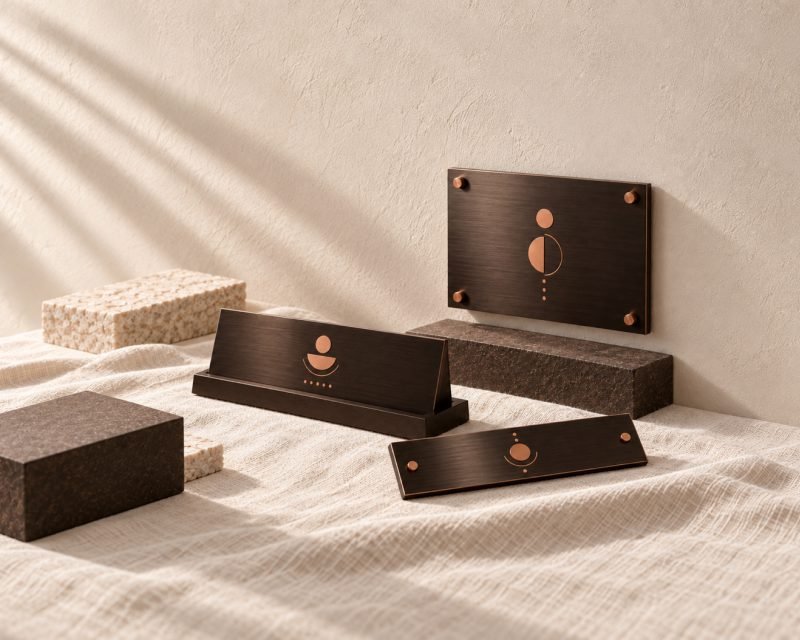
Hospital surfaces are wiped with strong disinfectant several times a day. Laminated panels and solid plates survive that; a paper notice in a frame does not, and it is the item that always looks tired first.
-
04
Doors Need Names That Change
Consultants move, rooms get reassigned and locums arrive. A frame with a replaceable insert means a name change is a card printed in minutes, not a new plate ordered and fitted.
-
05
Forms Are the Real Volume
Consent forms, referral slips, prescriptions and admission paperwork run in carbonless sets so the patient, the file and the department each keep a copy. Sequential numbering makes the record auditable, and a missing number is visible at the end of the month without anybody counting.
-
06
Literature Explains What Nobody Remembers
Aftercare leaflets and preparation instructions are handed over at the moment somebody is least able to absorb them, which is exactly why they are printed instead of explained.
We have to be clear about one boundary. We print the clinical and regulatory wording you approve and we do not write or verify it. Medical content, consent language and anything carrying a licence number is confirmed by your side before it goes to press.
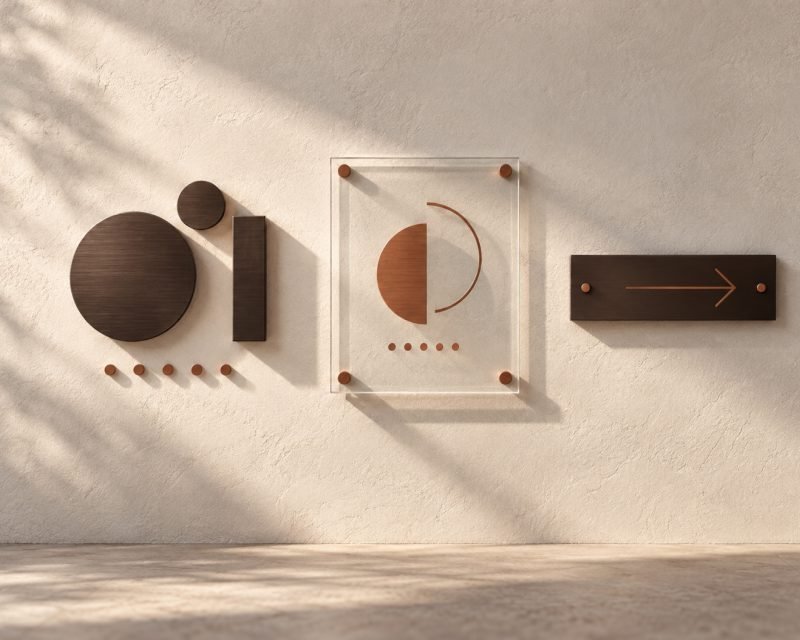
See wayfinding signage, NCR forms and name plates.