How a store launch gets printed.
-
01
The Hoarding Goes Up First
Mall management will not let you fit out behind an open shutter. A printed hoarding closes the unit, carries the brand and the opening date, and has to match the centre's specification for height, finish and contractor notices. Get that document before anybody designs it.
-
02
The Fascia Needs Approval, Not Just Artwork
Illuminated letters on a shopfront are the longest lead item in the whole fit-out. Drawings go to the landlord, sometimes to an authority, and fabrication only starts once they come back. Starting this in week one is the single thing that keeps an opening date.
-
03
Windows Do the Selling
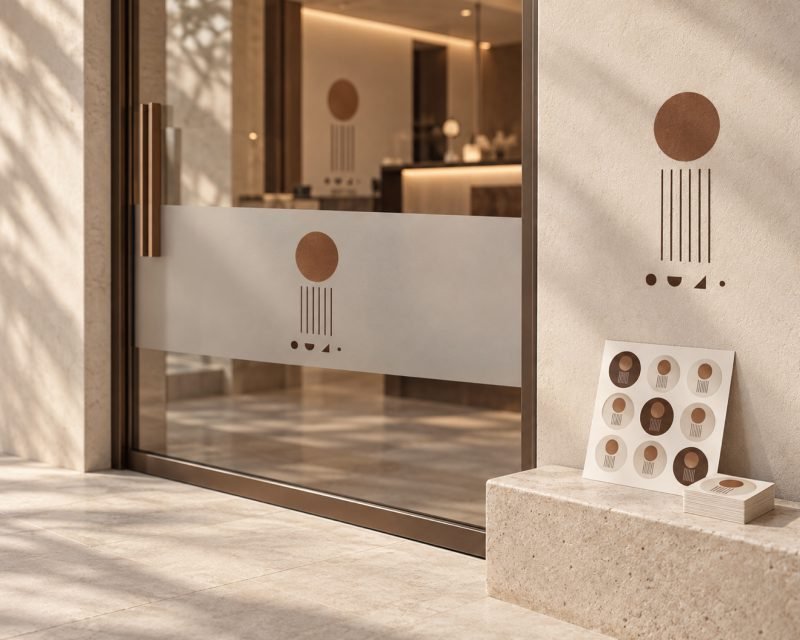
Vinyl, frosted film and seasonal graphics turn the glass into the shop's largest advertisement. The decision nobody makes early is how much glass stays clear, and it is worth settling before the first campaign instead of after it.
-
04
The Inside Fills Up Last
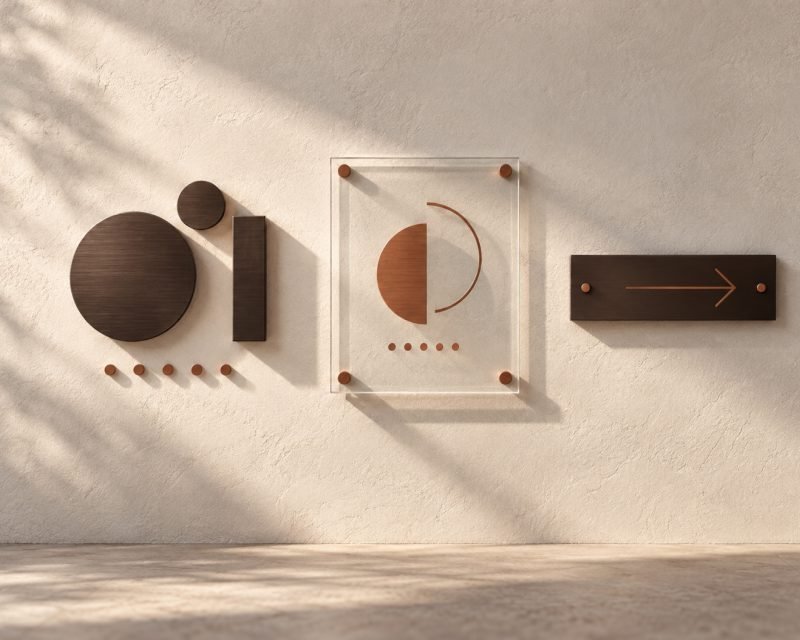
Shelf strips, wobblers, price rails, posters and a wayfinding sign for the fitting room all arrive in the final fortnight. These are small, numerous and easy to forget, and they are what makes a finished shop look finished.
-
05
Bags Leave With the Customer
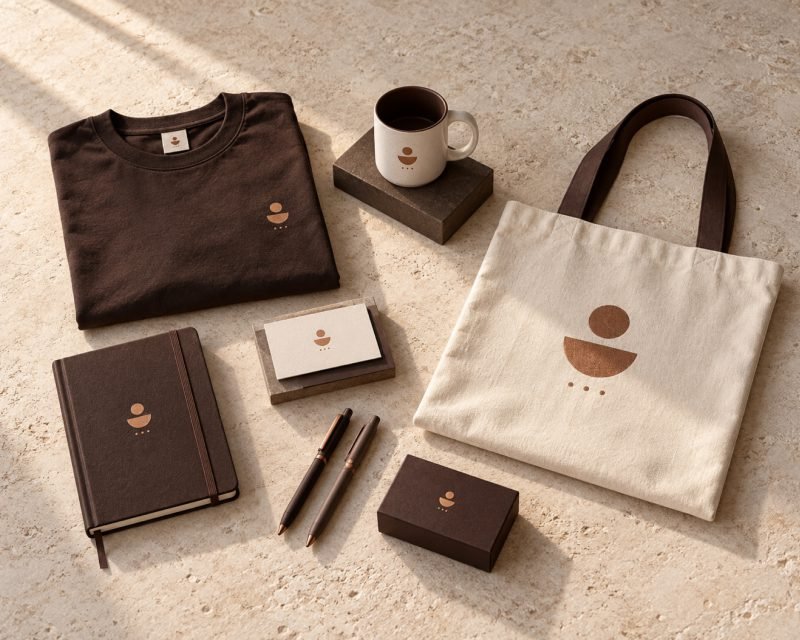
A printed bag is the only item that walks out of the mall and down the street. Paper or cotton, it travels further than any poster in the unit and lasts longer than the campaign that paid for it.
-
06
Then It All Changes Again
Retail runs on seasons. Window graphics, posters and shelf print get replaced several times a year, which is why the artwork is kept on file and the second changeover is quicker and cheaper than the first.
The honest part is the calendar. Mall fit-out windows are fixed and short, and every other tenant on that corridor is ordering in the same fortnight. Confirm your signage early, because production capacity across the city tightens before a centre opens.
See signage, window films and printed bags.