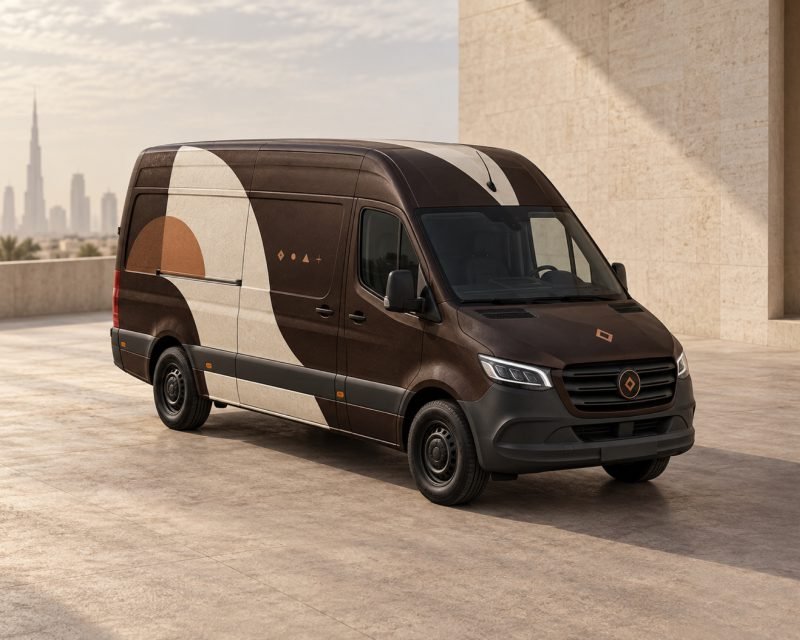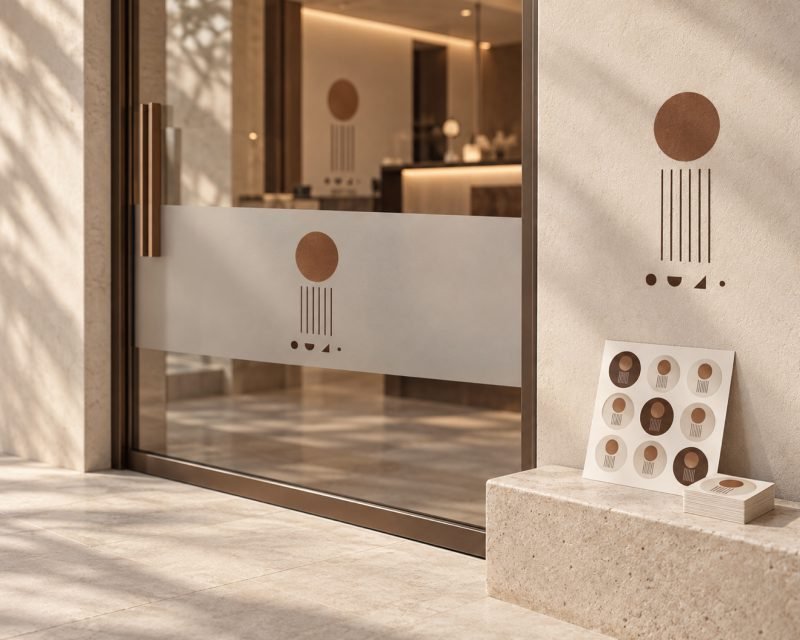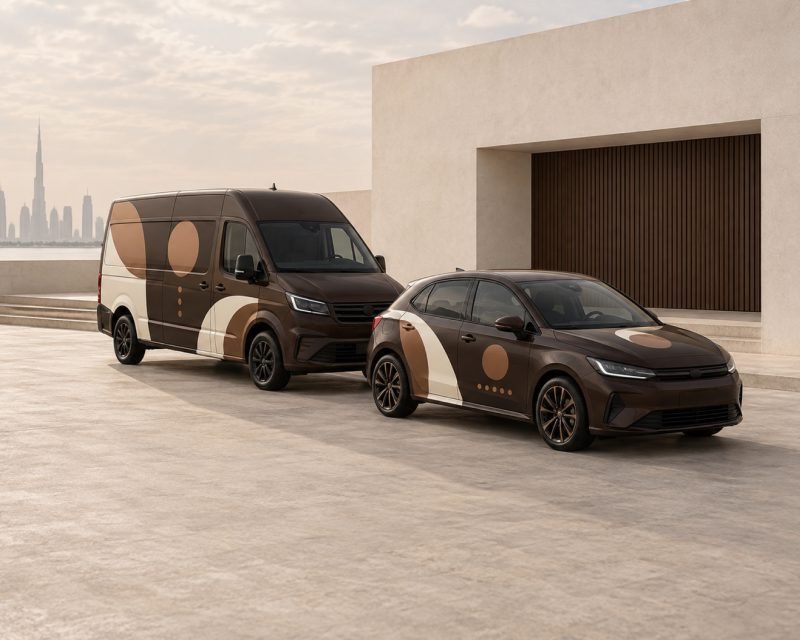
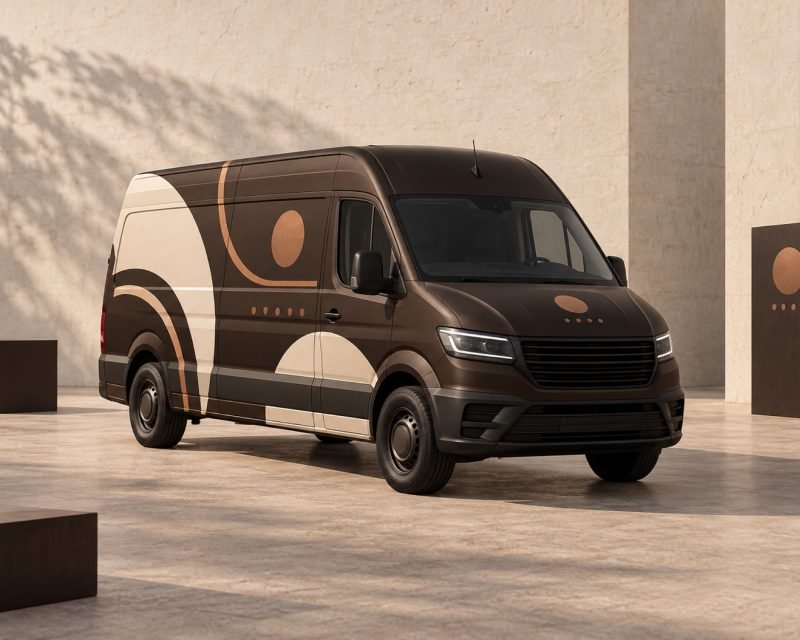
How a wrap gets fitted.
- 01
Factory Paint Is the Only Reliable Surface
Original paint is cured, hard and consistent, and vinyl bonds to it and releases from it cleanly. A resprayed panel is the single most common cause of a wrap lifting, because aftermarket paint is often softer and not fully cured.
- 02
Dubai Sun Shortens Everything
Ultraviolet and heat are harder on vinyl here than almost anywhere. A laminated printed wrap that would last five years in a mild climate is realistically three to four here, and a horizontal surface like a bonnet or a roof ages fastest of all.
- 03
Curves Decide the Material Grade
Flat van sides take almost any vinyl. Deep body curves, recesses and bumpers need cast vinyl that can be heated and stretched without lifting afterwards. Using the cheaper calendared film on a curved panel is why corners pull back within months.
- 04
Panels Come Off for a Proper Job
Handles, mirrors, badges, lights and trim get removed so the vinyl can be tucked behind edges instead of cut around them. That is most of the labour, and it separates a wrap that looks painted from one showing visible edges everywhere.
- 05
Approval Sits With the Authority
Commercial vehicle advertising is regulated, and what may appear on a vehicle and in what form needs approval from the relevant authority. We work to artwork that has been approved, and getting that approval is the owner's responsibility.
- 06
Inspected Before Anything Is Quoted
We look at the actual vehicle, test an edge where we can and tell you what the panels will support, because a quote from a photograph is a guess.
The thing that stops a job is usually paperwork, not panels. A leased or financed vehicle frequently cannot be wrapped under the terms of the agreement, and a fleet operator may need approval from a client as well. Check both before design work starts.
Start with vehicle wraps and decals, fleet and specialist branding, or magnetic cutout stickers.